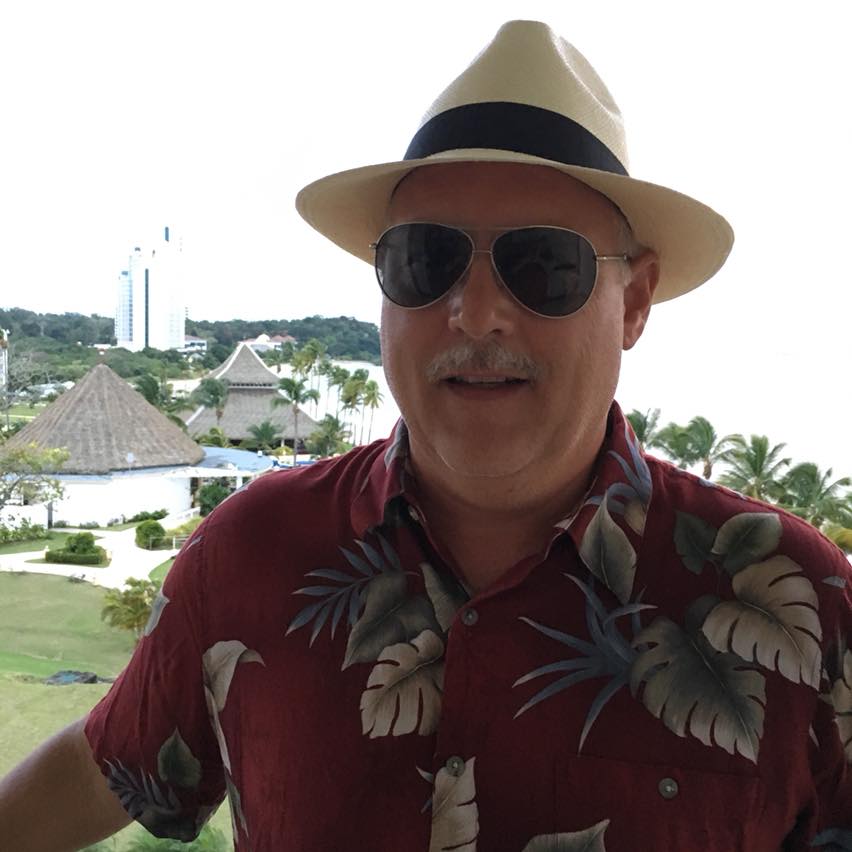
Jen and I have four grandchildren, and we have told them we will bring them for a visit to Panama between their junior and senior years of high school. The first of these was our oldest granddaughter, Victoria. Kid’s back in our day made scrapbooks of their adventures, but kids today are all about electronics. This blog post, chronicling Victoria’s exceptional Panama adventures, is being compiled by me to share with her and our readers. For the ten days she visited, I snapped nearly a thousand pictures. I will share the best of her adventure pictures and many amazing things we did during her visit.

The first phase of her adventure involved traveling from her home in Alabama to the Atlanta International Airport. There, she boarded her nonstop Copa flight to Panama City. We upgraded her to a business-class seat. We met her at the arrivals area of Tocumen International Airport, where she got her first glimpse of life in Panama. It will come as no surprise that the primary language in Panama is Spanish, and it’s sometimes difficult to find people who speak English. She went easily through immigration but had difficulty at customs. Because she is under 18, completion of the customs declaration is not required. However, the customs agent forced her to complete it before passing. If minors travel alone to Panama, I suggest they complete the form ahead and have it available. Victoria was stressed enough without having to communicate with a customs agent who did not know her job or speak any English.
Because of her late evening arrival, we stayed in Panama City overnight. We checked into the hotel directly across from the Miraflores Locks at the Panama Canal. Wednesday was her first full day of adventuring in Panama. We arranged for our friend, Marc Vargas, to be our guide for the day.
We spent the entire day Wednesday exploring the Miraflores Locks at the Panama Canal, Monkey Island, and the Mercado de Mariscos (fresh fish market). The canal tour was perfect, and we saw big ships passing through the locks at Miraflores, watched the 3-D movie about the canal, and took some magnificent pictures. It was nice to have Marc’s wife, Keren, join us for the day. She’s a flight attendant for Copa and had the day off. She later talked to some of her colleagues, one of whom met Victoria on her flight home. “Oh, you must be Keren’s friend,” she said. Victoria had great service from the entire flight crew on her return flight, despite us not getting her an upgrade.
After the Panama Canal, we traveled to Gatun Lake and boarded a panga bound for Monkey Island. The trip to the islands where the monkeys live is as much an adventure as seeing the monkeys. Lake Gatun is the widest portion of the canal, and we passed ships transiting on our journey. Lake Gatun is an artificial lake formed by dams and flooding the high-elevation land in the mountains. The small islands within it are what used to be the peaks of mountains. Through the middle of the lake runs the continental divide. The day was somewhat rainy, though not enough to ruin the mood. The monkeys did not come down to our boat, but we saw dozens of them. They wouldn’t even come from their dry perches in the jungle trees to get a banana.


After our monkey adventure, we traveled into Panama City to see the Mercado de Mariscos and have lunch. Marc is a master at finding the best places to park. He got us both great parking spaces in a lot across the footbridge from the market. Keren checked earlier and spoke with someone at the market about purchasing scallops. We were on a mission to buy scallops for ceviche. She was told there was some, but we didn’t find it, so we purchased fresh shrimp, cleaned and deveined for $5 per pound instead. Victoria and I were going to test a ceviche recipe for the Panama Fonda Cookbook, which I’ll release later this year. Every recipe must be tried and tested. We tested several during her visit. She is a skilled cook and loved working with me to test the recipes.


After taking in the market, we went to the back, where over fifty sidewalk restaurants serve the best seafood on the planet. We were seated at Marc’s favorite, and we all ordered food and drinks. We had a delightful meal and bid Marc and Keren farewell, with plenty of time to reach Coronado before dark.


We regularly volunteer at Word of Life Camp in Chame during camp season. While Victoria was here, Word of Life was holding an English-speaking camp, so we took her there for a morning of preparation for the day’s meals. She was a great help, and we could give her a tour of the campgrounds and see some activities taking place. On our way to our volunteer position at the camp, we stopped for Victoria’s first fonda experience. The dictionary defines fonda as an American actor. In Panama, a fonda is a small roadside restaurant offering Panamanian food. I often tell people that fonda means “cheap food.” These small, open-air restaurants are usually only open for breakfast and lunch. They are known for low prices and authentic Panamanian food. The establishments usually prepare their offering early in the morning, and when it’s gone, they close. Finding a cheap meal that we do not have to prepare ourselves has always been high on our list of importance. It was important for Victoria to experience dining in a fonda before we attempted to test-fly the recipes for the Panama Fonda Cookbook.


We worked together to make shrimp ceviche over the weekend and had visitors, Lorin, and Judy, come for the taste test.
Unfortunately, the ceviche recipe did not make the cut. It got poor scores, so we reopened the search for the perfect recipe to put in the recipe book. We made the Sancocho recipe another day and invited our friends Randy and Cyndi to come for the Sancocho taste test.
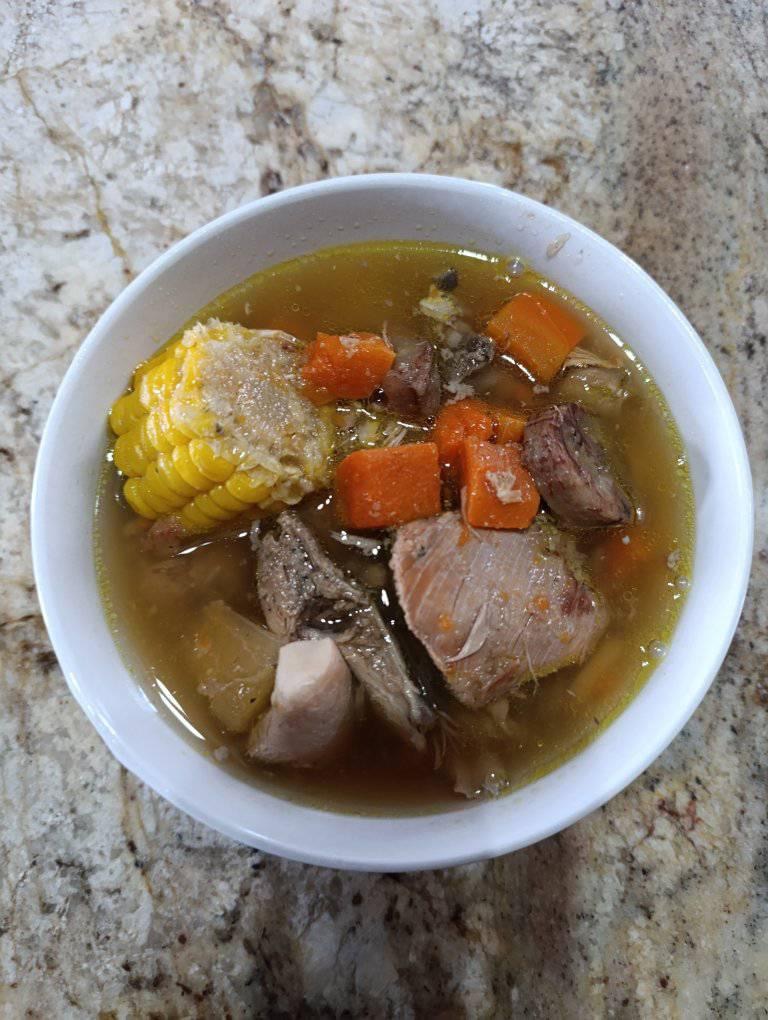
Five thumbs up guaranteed it a place in the recipe book. Another day, we made a batch of hojaldres for breakfast, and the three of us ate the whole batch. They were yummy. We had some yucca left from the Sancocho recipe, so we cut it up and made cassava fries. That recipe will also be in the cookbook. They were amazing. We fried them in the air fryer and made Cilantro Lime Mayonnaise for dipping (not pictured).


We took some downtime to play bingo at RestoBar Hawaii in Nueva Gorgona. Hector and his team do a great job of providing entertainment and pub food for the expat community. Victoria enjoyed hanging out in one of our favorite places to relax and enjoy the fun. We didn’t win, but it sure was a fun time.
Victoria went with us to aqua aerobics at the club on Saturday.


We intended to spend the afternoon going to Santa Clara for lobster. Unfortunately, Santa Clara’s lobster/beach day was ruined by the rain. By the time the rain stopped, we had eaten leftover sancocho and made plans for a movie. We saw a great movie, giving her the Panama movie theater experience. It was the perfect way to spend a rainy day. It was fortunate that an English movie captivated us all. On our journey to the theater, we drove up the highway to the big artisan market and shopped around for gifts Victoria wanted to purchase for her siblings.
We had an entire day exploring El Valle de Anton, including the Sunday Market. The market is open seven days a week. Most days, you’ll find vendors who have orchids, and you’ll find magnificent carvings and handmade baskets. These baskets are popular with expats, and you’ll find that most homes have at least one around the house for various uses. The baskets are expensive because of the work that goes into making them. The sellers of the baskets rarely negotiate on the prices; however, most everything else in the market carries a price that can be negotiated.

With over 2,000 species, Panama has the most abundant and beautiful butterflies in the world. The butterfly habitat lets visitors get up close and personal with the country’s butterflies. A private guide shows an educational film and conducts a tour. Once inside the habitat, you get the opportunity to see butterflies at every stage of growth and enjoy their beauty. The guide will give information and interesting facts about the butterflies in residence inside the habitat. Pictures from this exhibit will be something that you will treasure from the visit.


The Orchids Center (Aprovaca Orquideas) concentrates on conserving endangered native orchids and promoting ecotourism and environmental education. It’s off the main road and equally interesting. Orchids are native to the area, with over 1,400 varieties, and almost every variety of this beautiful flower is represented. Each orchid has a different time of year when it blooms, so each visit is a new and beautiful experience. Like the butterfly habitat, each group has a private tour. The guides are a wealth of knowledge and will tell you things you’ll never learn elsewhere. On our visit, we found few blooming orchids. It was an enjoyable walk through the habitat.

The town of La Mesa is located nearby in the Valle de Anton. It is the site of the Chorro el Macho waterfall. This 280-foot waterfall is one of the most beautiful areas in the valley. It’s a short walk north through the lush rainforest. A large pool fed by the falls is at the base of the falls. It was open for swimming once, but swimming is no longer permitted.
Walking paths allowed us to explore the area. Suspension bridges cross the river, providing views of the falls. For the more adventurous, zip lines through the treetops provide breathtaking aerial views of the Chorro el Macho waterfall. When you enter the area to pay the admission, they will offer a walking stick; take one. You can hire a guide here who will point out the local birds, animals, butterflies, and other points of interest. This is also the place to arrange the zip-line tour. We did not zipline on our visits to the falls, but this is something that several of our guests have enjoyed.


We also hiked to a different part of the volcano’s rim, where we could take in the magnificent views of the valley. From that viewpoint, we saw the Sleeping Indian. It looks exactly as advertised. It is breathtaking.


We had lunch at a favorite restaurant in El Valle for a casual meal: Zapote. It’s on the right, as you enter town, before you reach the market. They offer a wide variety of food options on a massive menu. With large, tasty pizzas and delectably fresh ceviche, the restaurant also offers Panama’s traditional dish, sancocho. With so many great meal options, there is something to please everyone.
On our way out of town, we stopped at the Valle de Anton Museum. The small museum offers a unique historical view of the area. One exhibit shows the history of the volcano’s formation and eventual habitation. Another exhibit highlights the native people, while the wildlife is on full display in others. There is a short film at the end.


Our day contained many cool experiences. On the way down the mountain, we stopped for a pipa fria. It’s much better, healthier, and more refreshing than ice cream.

Early the following week, we had beach time, relaxed at the pool, and hiked to Filipina Falls. At the trailhead, the dogs that showed us the way met us. We passed a big, ugly, black goose on the trail and got our feet wet.


Wednesday morning, we left early to tour the Gamboa Rainforest. Before taking a cable car ride through the jungle canopy, we toured the butterfly exhibit, poison frog pond, orchid house, and sloth sanctuary. At the end of the cable car, we strolled to the top of a 90-foot tower to admire the jungle, Panama Canal, and Chagres River, which flows into Lake Gatun. From the tower, we could see an Embera village tucked into the jungle near the river as we enjoyed the sounds of the jungle.


After our amazing morning, we enjoyed lunch at Maagoo Fish Tacos before continuing to The Panama Museum of Biodiversity. Puente de Vida (“Bridge of Life”) is a portal to the earth’s richest and most diverse ecosphere. Internationally renowned architect Frank Gehry designed it. It’s at the end of the Amador Causeway in Panama City, facing the Pacific Ocean at the entrance of the Panama Canal.

From the air, the beautiful building was designed to look like a bird in flight. The first stop on the tour through the museum is a look at the animals that share this land. The animals are ranked on a wall as to their existence, and some are now extinct. Others are only maintained in captivity. The golden toad is one of these creatures. It was thought to exist only in the dense, unexplored jungle. Now, there is a belief that the toads are only still here in zoos and aquariums.


The tour continues with a wonderful 360-degree film that challenges all your senses. It even plays on the floor. The film depicts the wonderful nature of Panama, including panoramic views of mountains, rivers, jungles, and oceans. As we continue, we learn how Panama’s landmass formed, connecting South and North America. Volcanoes created what is called an isthmus between the two continents. The resulting land bridge allowed the migration of many species of animals in both directions. It also caused a change in the biology of both the Pacific and Atlantic oceans. By blocking the water flow between the two bodies of water, two distinct oceans with different chemistries were created. This natural phenomenon caused the waters of the Pacific to warm and the Atlantic waters to remain colder.
As people continue through the museum, they enter an area of life-size cast animals. This exhibit is very cool. It shows the animals in the size and magnitude they migrated from one continent to another. Many people recognize some, as they are still here, while many are extinct. Much of what I have learned about the emergence of the isthmus of Panama, I learned from the exhibits at the Bio-Diversity Museum. The great biotic interchange, or the movement of plants and animals between North and South America, began millions of years ago. Some plants and animals found in Panama today have origins in North America, while others have origins in South America. Panama continues to bridge the two continents, providing annual migration routes for millions of birds. Other animals spread north or south through Panama because of environmental changes caused by humans.
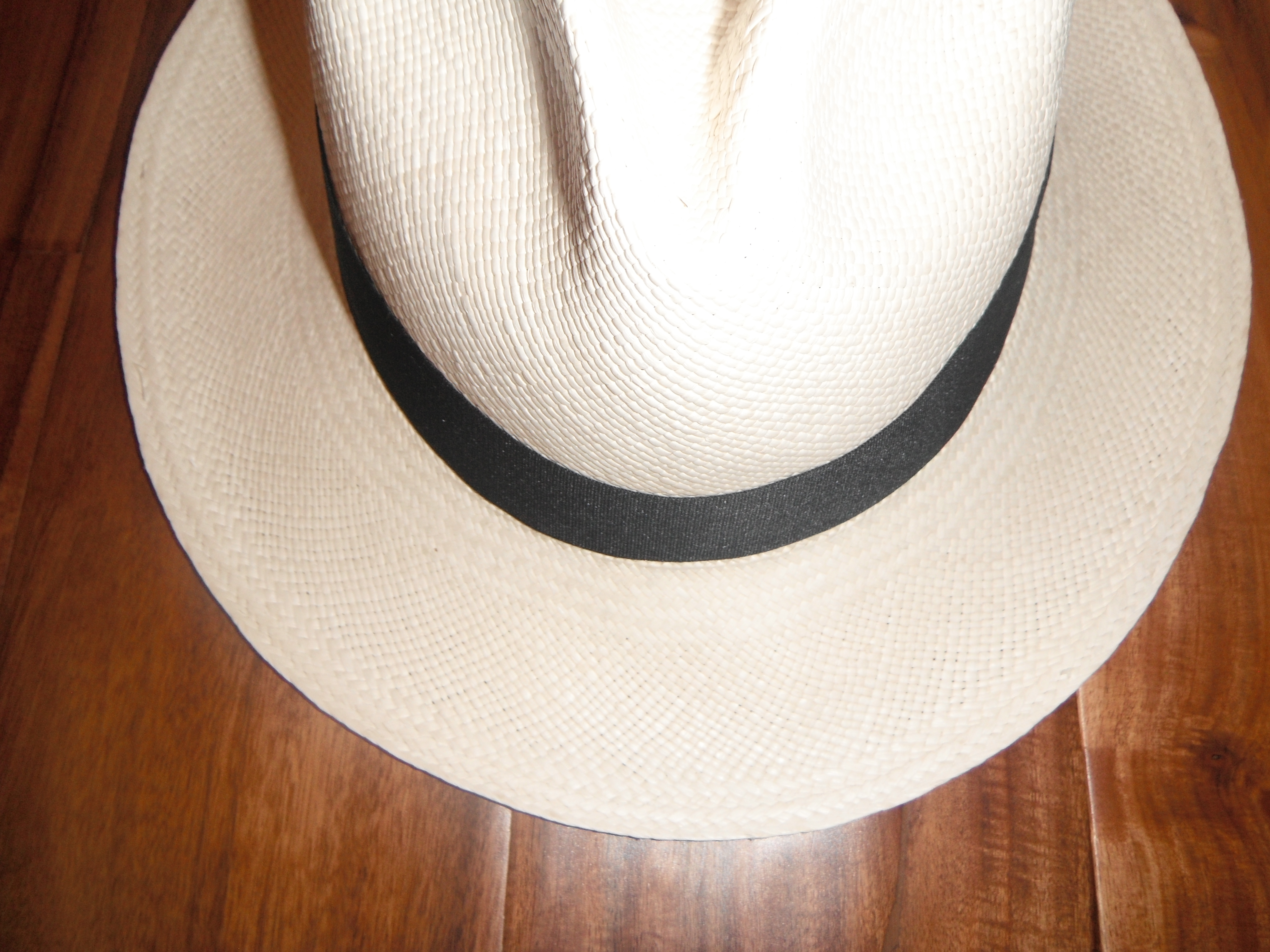
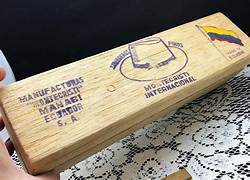
We planned to go to Panama Vieja following the museum, but our plans were too ambitious. The tour of the ruins would have to wait for a future visit, as our day ran short of hours. Instead, we explored the Amador Causeway, where we found an ice cream store and a few shops where Victoria finished shopping for souvenirs for her family. She found her dad a Panama hat. The town of Montecristi, where they produce them, is known for the best quality hats, the Montecristis. The rarest and most expensive Panama hats are hand-woven with up to 3,000 weaves per square inch. According to popular lore, a “Montecristi superfino” Panama hat can hold water and, when rolled up, pass through a wedding ring. She found a nice hat for her dad in a shop on Amador Causeway within her budget. While it’s not a superfino, it’s a Montecristi. While I doubt it’s woven tight enough to hold water, it rolled up and fit into a box the shop owner provided.

We checked into our hotel near the airport and ordered an Uber to take us to dinner. Dinner was at a favorite Mexican restaurant in Metro Mall. After dinner, we wandered around until the mall closed before returning to the hotel. We were exhausted.


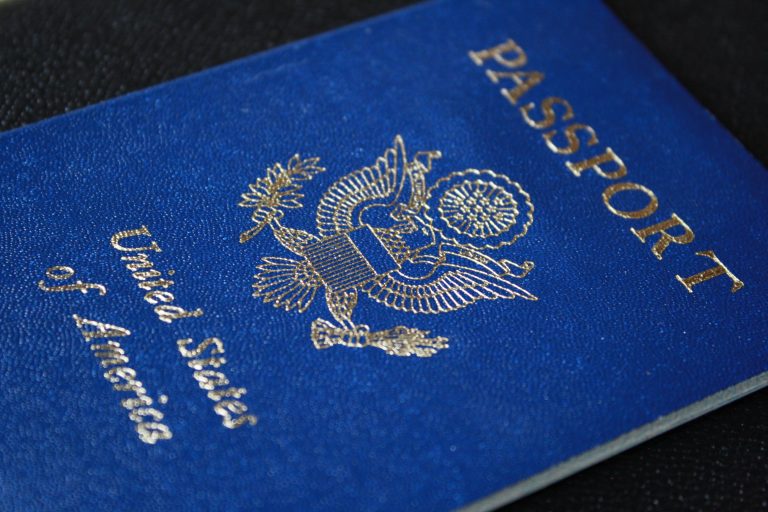
The morning arrived far too early. We woke up and took Victoria to the airport. There were tearful goodbyes and a feeling of void left by her departure. We felt Victoria’s excitement about returning to her family. As we stood in line at the Copa check-in counter, she excitedly looked at the first stamp on her passport.
Each time we have visitors, the time together is never enough. The experience of having a grandchild visit magnifies this a hundred times. We wanted to latch on and keep her here longer. Our guest room stands in wait for the next guest. We love to show any visitor the beautiful country where we have spent retirement. Our next grandchild will be a long wait, but we are already eager for his visit. In the meantime, we would love to see you here!
Blessings from paradise,
Greg and Jen
#welovepanama